
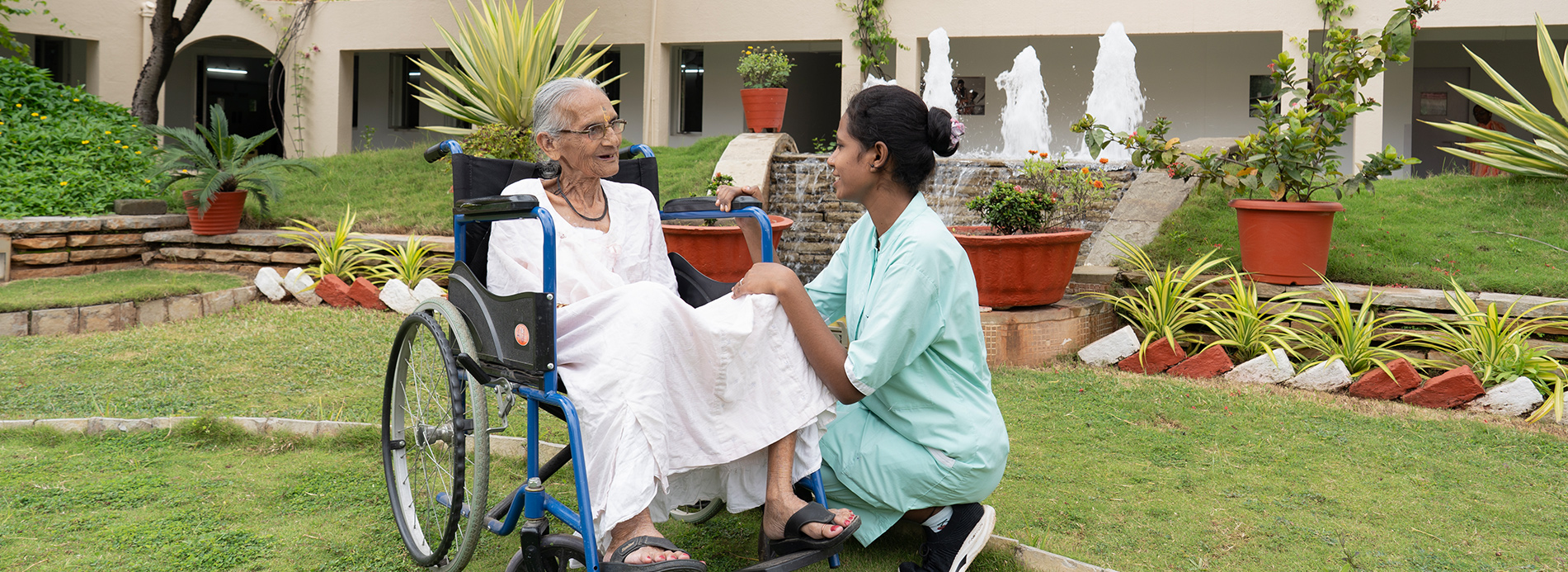
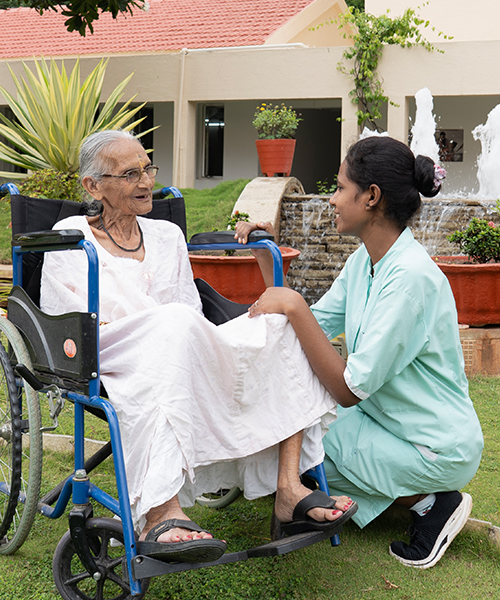

Working towards a responsive healthcare system based on the needs of patients, families and communities
Enhancing community health remains a top priority for us. We are committed to providing care and equal
access to healthcare services for local communities through our partnerships. Our efforts are particularly
focussed on palliative care, the primary healthcare system and providing other medical support.
Our manufacturing units, depots and project sites across different regions actively contribute to these
initiatives, addressing the healthcare needs of vulnerable communities nearby, with a special focus on
children, women and the elderly.

We remain steadfast in our commitment to enhancing access to palliative care, a specialised form of medical
care aimed at improving the quality of life for individuals facing Serious illnesses. Palliative care
prioritises the alleviation of pain, management of distressing symptoms and provision of psychosocial support
to both patients and their families. We recognise the profound physical, emotional, social and logistical
challenges that accompany any serious illness.
In India it is estimated that only 4% of those who need palliative care have access to such care (Source:
Lancet Commission Report on Palliative Care, 2017).
In response, Cipla through Cipla Foundation is actively working to strengthen the palliative care ecosystem
across India. Our efforts are directed towards ensuring that individuals, irrespective of their socio-economic
background, receive compassionate, dignified and comprehensive care throughout the course of their illness.
We strive to contribute to a healthcare landscape where palliative care is integrated, accessible and
recognised as an essential component of patient-centred care. Through strategic partnerships, capacity
building and community engagement, we aim to uphold the highest standards of care and reaffirm our enduring
purpose ‘Caring for Life’.
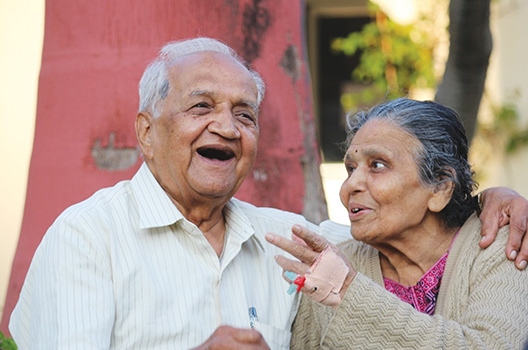
Established in 1997, the Cipla Palliative Care and Training Centre ("CPC") in Pune is a pioneering
institution in India, dedicated to supporting cancer patients and their families. As a first-of-its-kind
facility, CPC delivers comprehensive care through holistic treatment plans, home-based services and outpatient
support across multiple hospitals. Its approach addresses not only physical pain and symptoms but also the
emotional and spiritual well-being of patients and caregivers, enhancing overall quality of life.
In line with our commitment to expanding access to palliative care, we partnered with CanSupport nationally
and internationally recognised palliative care organisation to extend homecare services to a broader
population in and around Pune. This collaboration aims to reach more patients and families in need of
compassionate palliative care.
In FY 2024-25, Cipla Palliative Care and Training Centre's services supported:
Our work at the CPC has inspired us to support quality palliative care services across the country. We continue to partner with governmental, nongovernmental and community-based organisations to provide direct palliative care services to patients and increase awareness about palliative care.
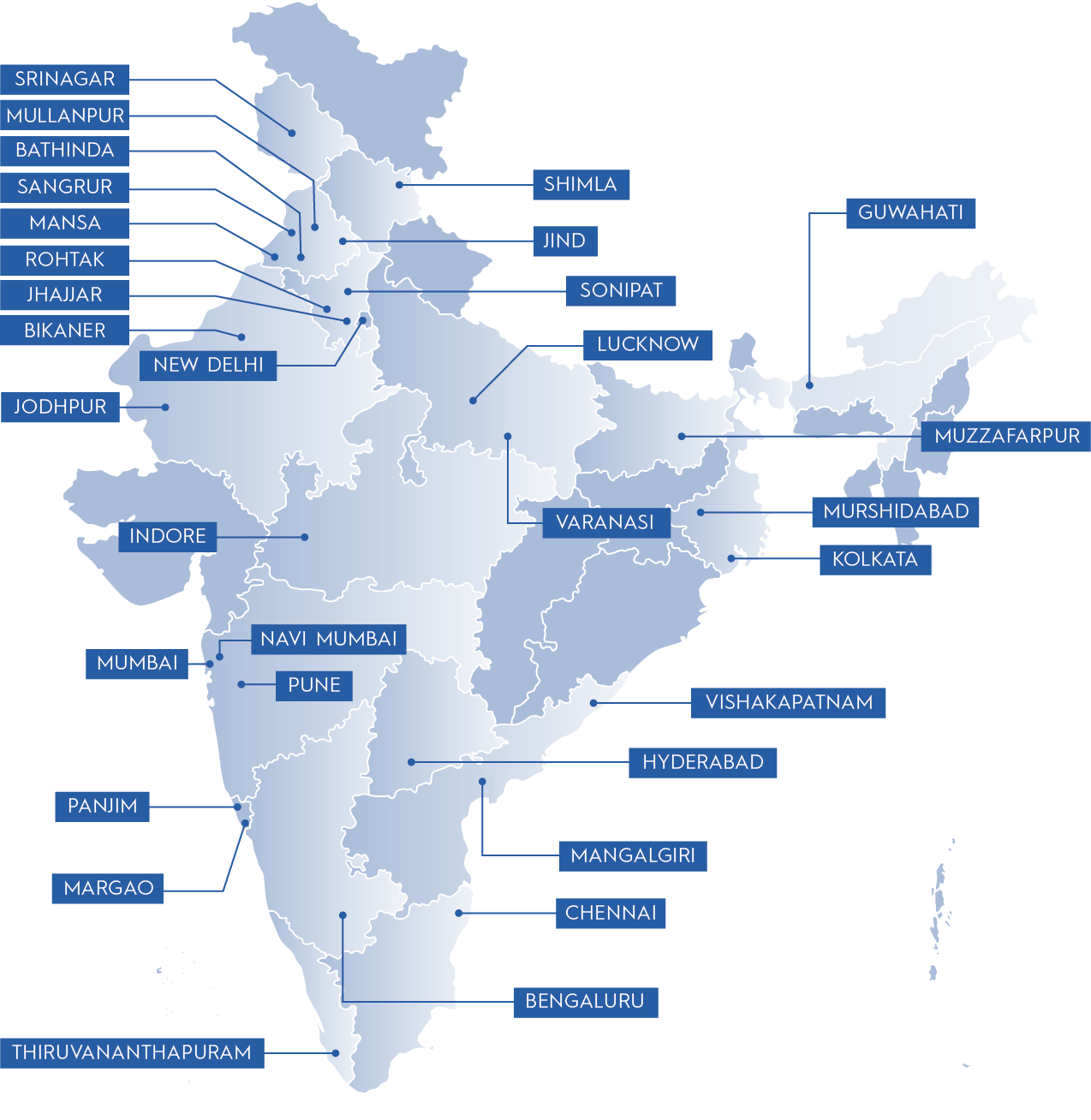
Note: The map used above, serves solely as a general illustration and should not be interpreted as indicative of political boundaries and not to be used for reference purposes.
Cipla’s palliative care initiatives are now active across 38 cities in 20 states and union territories, reaching over 57,000 patients through 48 projects in collaboration with 36 partners.
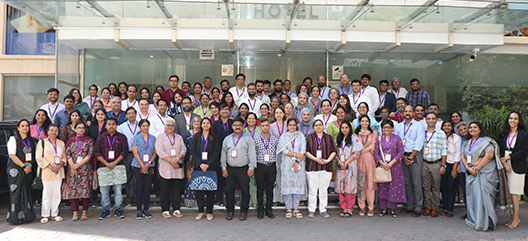
To foster collaboration and knowledge exchange, we convened over 70 participants from 35 partner
organisations at the Palliative Care Partners Meet in November 2024.
This platform enabled shared learning and strengthened collaboration across stakeholders, at Mumbai,
reinforcing our role as a trusted enabler in the palliative care space.
In our endeavour to strengthen and support Public Healthcare Systems, in FY 2024-25, we supported integration of palliative care services in the following key government hospitals through Cipla Foundation:
Nair Hospital, Mumbai
In partnership with Tata Memorial Hospital, Mumbai we supported establishment of a paediatric palliative care unit at Nair Hospital in 2022. Now in its third year, the unit has been formally adopted by the Brihanmumbai Municipal Corporation ("BMC"). During FY 2024–25, the palliative care team conducted structured training workshops for doctors and nurses, further institutionalising palliative care within the hospital’s service delivery.
AIIMS Jodhpur, Rajasthan
Our continued engagement with AIIMS Jodhpur led to its designation as the Nodal Centre for palliative care in Rajasthan. In collaboration with the Indian Council of Medical Research ("ICMR"), healthcare workers across 10 districts were trained to deliver home-based and outpatient palliative care, significantly expanding access in the region.
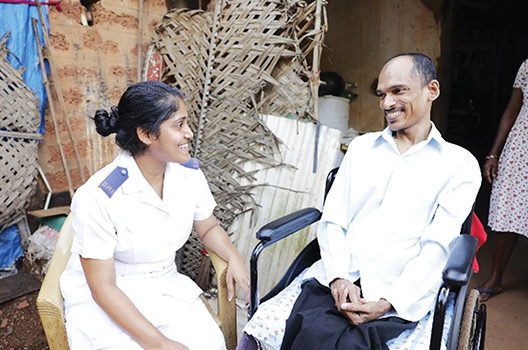
South Goa District Hospital, Goa
In FY 2024-25, we deepened our partnership with South Goa District Hospital by extending
the Compassionate Communities Programme to eight local panchayats.
The initiative now reaches over 2,200 patients annually.
Encouraged by its success, the state government is exploring replication of this integrated care model in
North Goa.
In February 2025, Goa became the fifth Indian state to adopt a comprehensive palliative care policy. We collaborated with the Directorate of Health Services, Government of Goa to support this milestone, contributing technical expertise and implementation insights. The policy integrates palliative care into the state’s primary healthcare system, with a focus on pain management, symptom control and family support.
We also initiated new palliative care programmes in collaboration with key public hospitals, including:
• AIIMS Bathinda
• AIIMS Mangalgiri
• Lokmanya Tilak Municipal General Hospital (Sion Hospital)
• Tata Memorial Centre ("TMC") Mullanpur
At Cipla, we believe that palliative care should be inclusive—accessible to individuals of all ages and applicable to a wide range of beyond cancer. These include chronic illnesses such as heart disease, Chronic Obstructive Pulmonary Disease ("COPD"), kidney disorders, Alzheimer’s disease and other conditions that significantly impact quality of life. Highlights of our Palliative Care beyond Cancer are as follows:
Neuro-Palliative Care at NIMHANS, Bengaluru
We continued our support to the National Institute of Mental Health and Neurosciences ("NIMHANS") to integrate neuro-palliative care into mainstream healthcare systems. The initiative focused on knowledge dissemination and best practices among neurology stakeholders in Bengaluru. Over 1,100 patients received care and more than 10 social workers from five projects across India were trained in neuro-palliative care management.
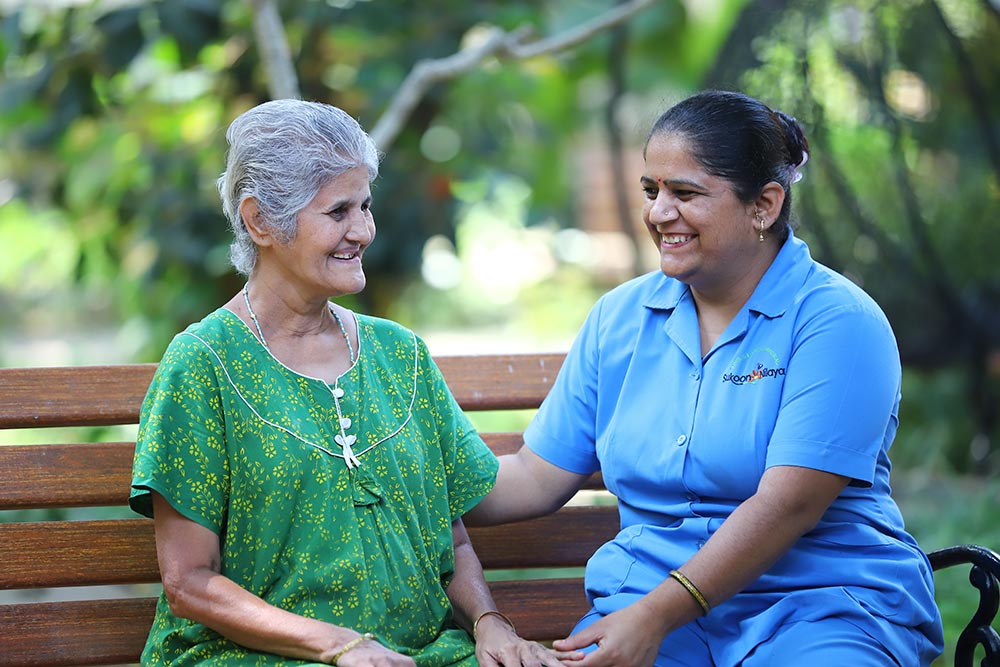
Sukoon Nilaya, Mumbai
Sukoon Nilaya, an in-patient facility supported by us in Mumbai, expanded its capacity from 18 to 24 beds to serve adults with serious illnesses. The team also engaged with local municipal hospitals to raise awareness and promote early access to palliative care services.
St. John’s National Academy of Health Sciences, Bengaluru
Through this partnership, we supported holistic care interventions for individuals with serious health conditions such as neurological, cardiac and renal disorders, in addition to cancer. The programme provided pain and symptom management, psychosocial counselling and hands-on training for over eight nurses and five doctors. More than 1,700 patients benefited from these services during the year.
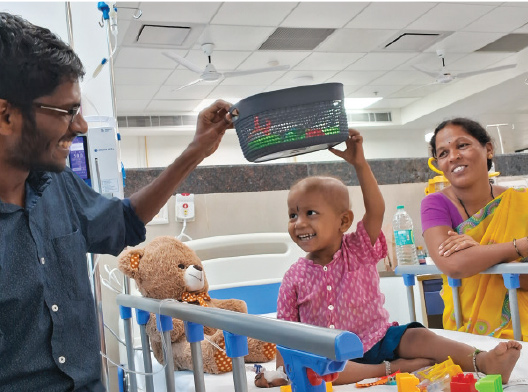
Children with serious illnesses conditions and their families are often overlooked in the global palliative care landscape. We place a strong emphasis on paediatric palliative care, ensuring that both the child and caregiver remain at the centre of our holistic and compassionate approach.
FY 2024-25 highlights of our paediatric palliative care initiatives:
Bai Jerbai Wadia Hospital for Children, Mumbai (“BJ Wadia Hospital”):
At BJ Wadia Hospital, Mumbai we strengthened our home care services by adding an additional team to meet growing needs. We also focused on training healthcare professionals within the hospital to build internal capabilities for Pallattive care. Our work was recognised and presented at the First National Conference at the hospital on Rare Diseases in March 2025.
Paediatric Palliative Care Leadership Programme, Hyderabad
To address the shortage of trained leaders in paediatric palliative care across India, we launched a structured Leadership Programme in partnership with Pain Relief and Palliative Care Society (PRPCS). This included two intensive in-person workshops in India and a series of 12 monthly online sessions. Through assignments, mentorship and a robust regional network, the programme enabled cross-border collaboration and knowledge exchange among emerging leaders in the field.

Launched in 2021, Saath-Saath is a national toll-free helpline that connects individuals to the nearest palliative care provider. As of FY 2024-25, 30+ healthcare organisations across 27 cities are part of this network enhancing access to timely holistic support for patients and their families. To further strengthen this initiative, we introduced a multilingual, AI-enabled chatbot that offers personalised, round-the-clock assistance.
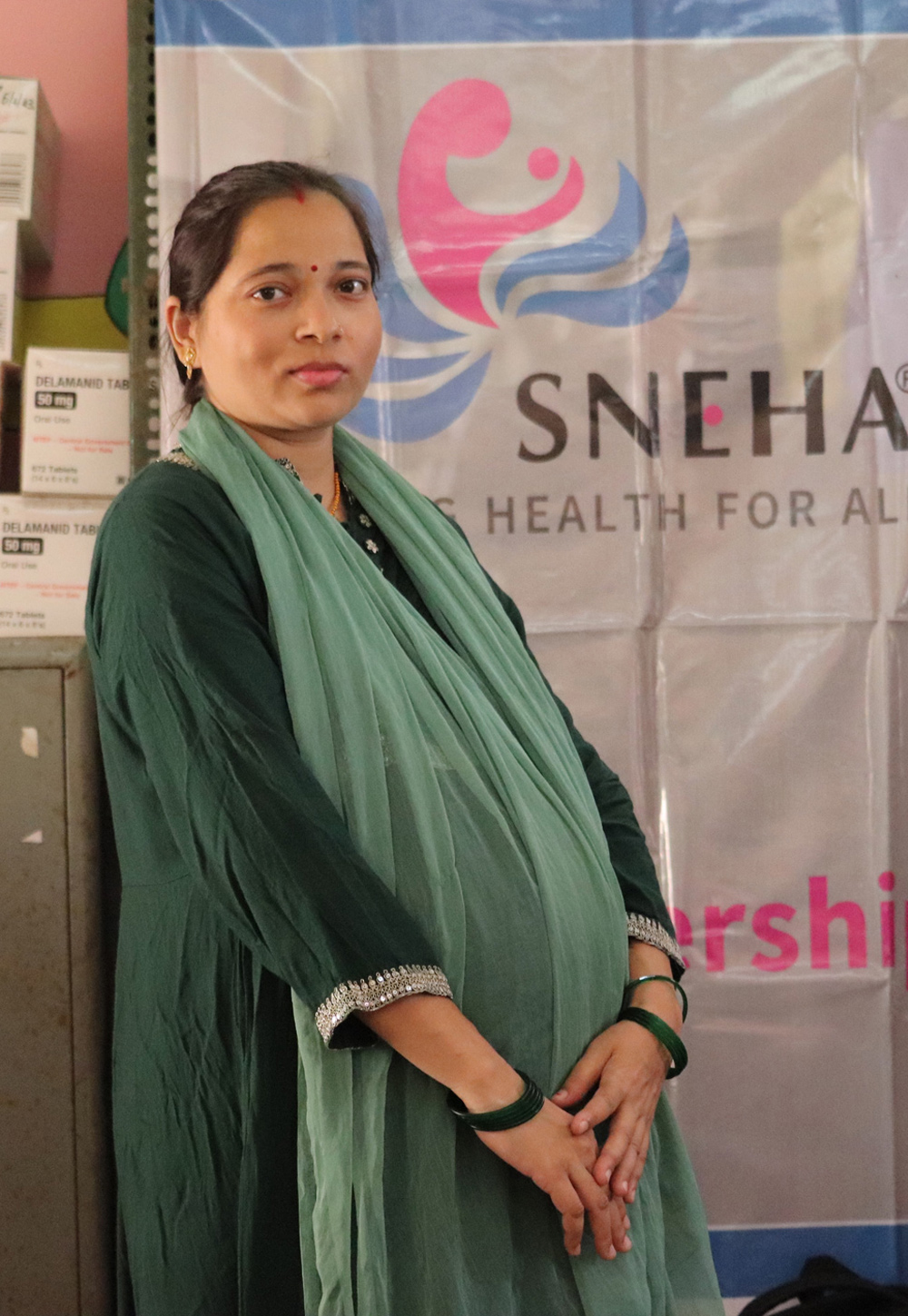
We support the Public System Partnership project led by SNEHA, which aims to foster proactive health-seeking behaviour among vulnerable populations, with a particular focus on maternal and child health. This initiative is implemented at Mumbai and Greater Mumbai in partnership with Muncipal Corporations in urban slum settlements through community engagement and collaboration with public health systems.
Strengthening Maternal and Child Health Programme
With Cipla’s support, SNEHA’s Maternal and Child Health Programme promotes health equity in underserved communities through a continuum-of-care approach. It provides nine essential services for women, including health monitoring, TT injections, iron-folic acid supplements, and referrals for high-risk pregnancies. The programme also strengthens community engagement via Mahila Arogya Samitis under the National Health Mission. Till date, it has reached over 1,03,000 pregnant women across seven municipal corporations in the Mumbai Metropolitan Region.
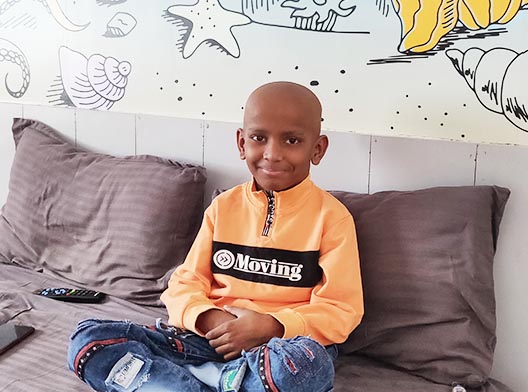
We are committed to supporting thalassemia patients from underserved communities by ensuring access to
critical care. Through our trusted partners, we provide essential medication, regular blood transfusions and
Bone Marrow Transplants ("BMTs"), helping families overcome financial barriers and receive the treatment they
need.
In FY 2024-25, we supported 39 patients with BMTs via Sankalp India Foundation and 29
patients through Borivali BMT Centre.
We also supported more than 145 thalassemia major patients with 1,650+ NAT tested and
leucodepleted blood transfusion through the Arpan Thalassemia and Sickle Cell Society.
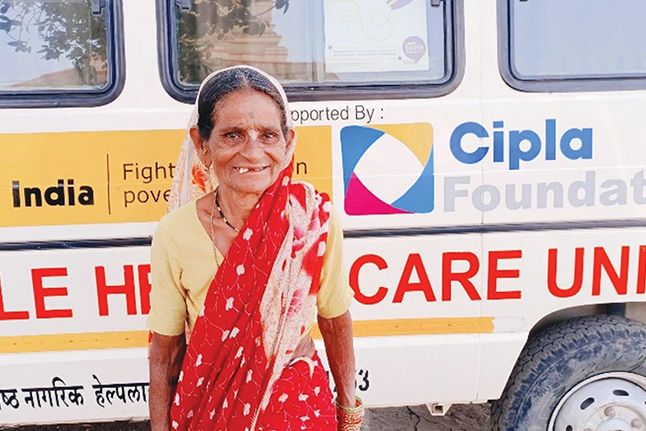
An important pillar of our community doorstep health programme is to enable access to primary healthcare for communities with a focus on the elderly, women and children. Through our five Mobile Healthcare Units (“MHUs”) operated by HelpAge India, we are bringing healthcare to the doorsteps of remote communities.
In South Africa, we supported the National Department of Health’s Central Chronic Medicine Dispensing and
Distribution ("CCMDD") programme (Daplameds), which improves access to chronic medication for stable HIV and
NCD patients while easing pressure on public health facilities. In FY 2024–25, the programme
registered 272,473 patients, delivered 447,635 medicine parcels through 43 pickup points, and created
over 130 jobs. With a 10% annual growth target, the initiative aims to expand access to essential
medicines across the region.
Our 'Miles for Smiles' initiative, with Operation Smile, funded 60+ cleft and corrective lip
surgeries, bringing renewed hope to families across the African continent. Through our Volunteering
initiative, staff attended these life changing surgery missions in South Africa, Kenya, Ghana and Marocco.
Our Ajuga – early childhood development initiative in South Africa, has nine fully registered
schools with the National Department of Basic Education. By focusing on the first 2,000 days of a
child’s life, these facilities provide quality education and nutrition to 878 learners.